

____________________________________
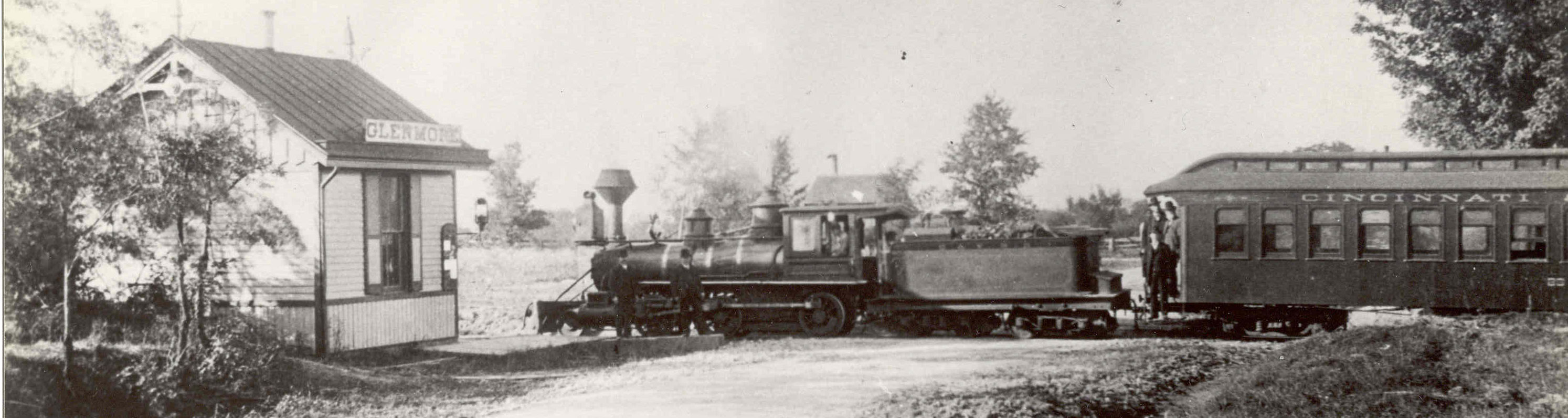
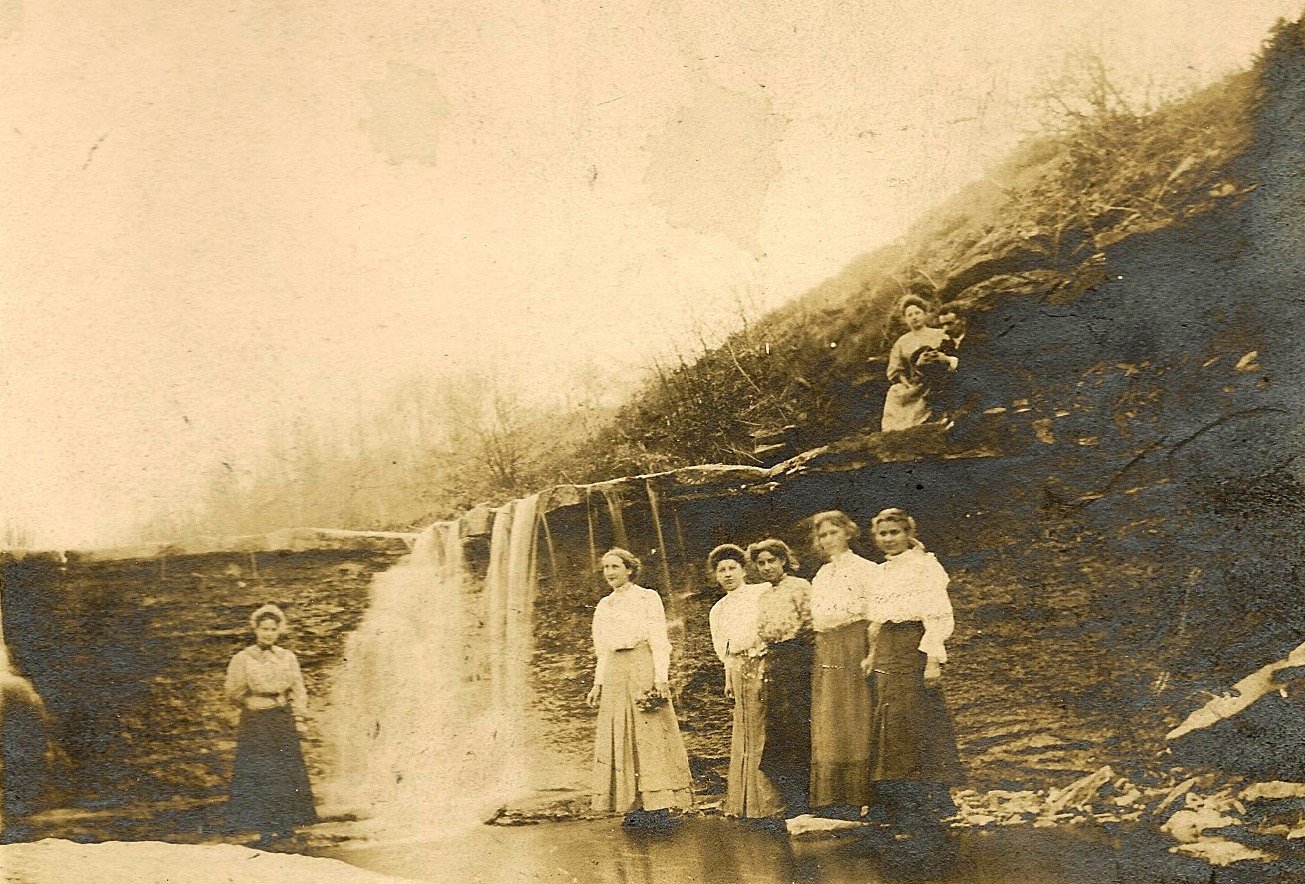
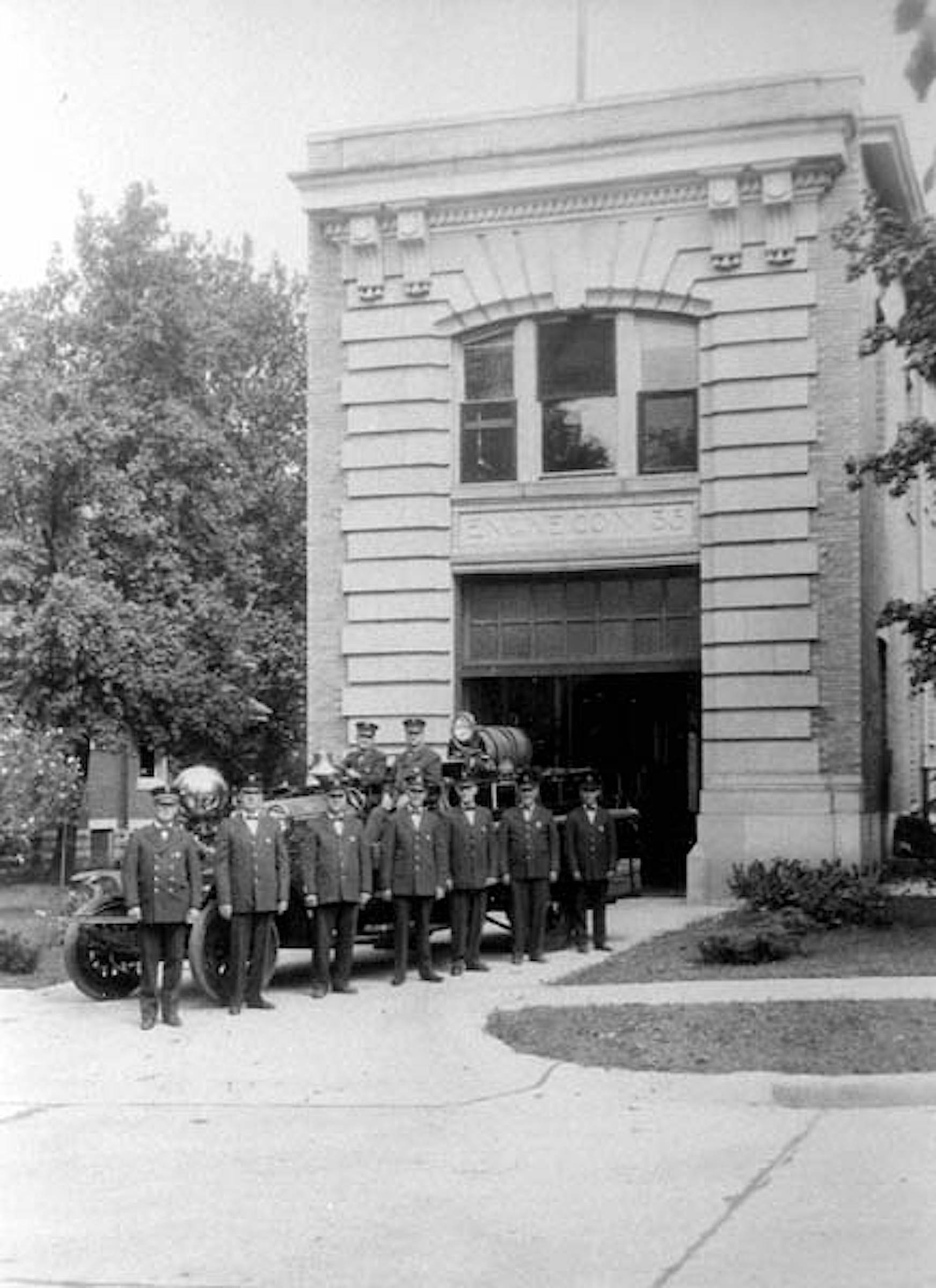
The Westwood Historical Society collects and tells the personal human stories of ingenuity, determination, struggles, courage, strength and insight of those who molded our collective past. We also explore the places and events that help tell Westwood's story. You may even notice how modern and contemporary many of those stories seem today! Won't you join us?
Contact us if you would like to help or if you have stories or photos you wish to share!
____________________________________
3. Ecosystem support: Trees provide habitat for a variety of wildlife, including birds, insects, and mammals. They also provide food and shelter for many species, helping to maintain the delicate balance of the ecosystem.
Oxygen production
Trees produce oxygen through the process of photosynthesis, which involves taking in carbon dioxide and releasing oxygen into the atmosphere.

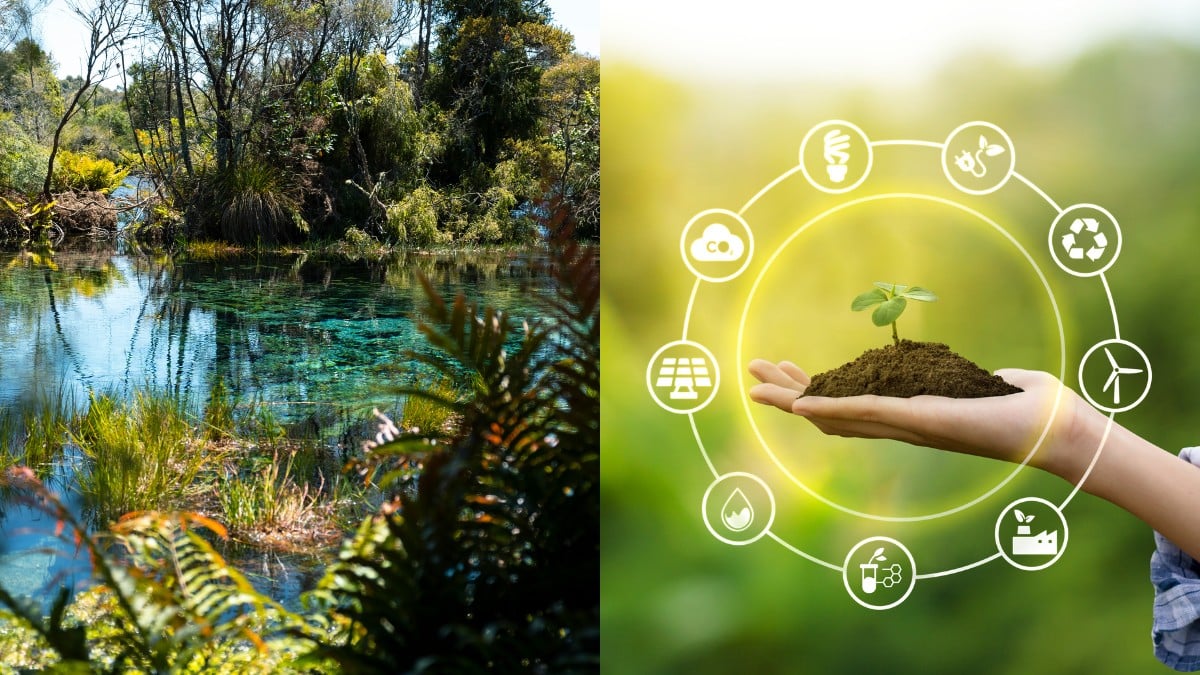
Ecosystem
Trees provide habitat for a variety of wildlife, including birds, insects, and mammals. They also provide food and shelter for many species, helping to maintain the delicate balance of the ecosystem.Trees provide habitat for a variety of wildlife, including birds, insects, and mammals. They also provide food and shelter for many species, helping to maintain the delicate balance of the ecosystem.
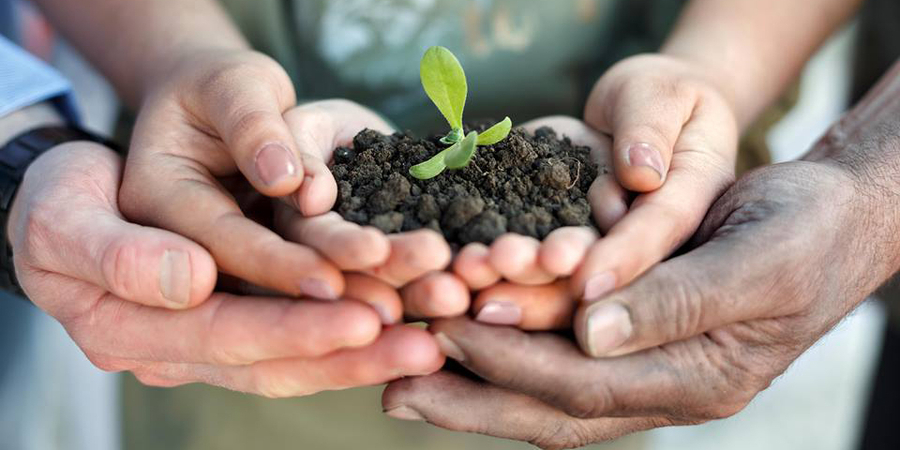
Soil protection
Trees help to prevent soil erosion by holding the soil in place with their roots. This helps to maintain healthy soils and prevent nutrient loss.Trees help to prevent soil erosion by holding the soil in place with their roots. This helps to maintain healthy soils and prevent nutrient loss.

Water regulation
Trees help to regulate the water cycle by absorbing water from the ground and releasing it into the atmosphere through transpiration. This helps to maintain healthy watersheds and prevent floods and droughts.Trees help to regulate the water cycle by absorbing water from the ground and releasing it into the atmosphere through transpiration. This helps to maintain healthy watersheds and prevent floods and droughts.

Aesthetic value
Trees provide beauty and visual interest to our landscapes. They can be used to create shade, windbreaks, and privacy screens, and they can also increase property values.Trees provide beauty and visual interest to our landscapes. They can be used to create shade, windbreaks, and privacy screens, and they can also increase property values.
Facts about forest
Our mission
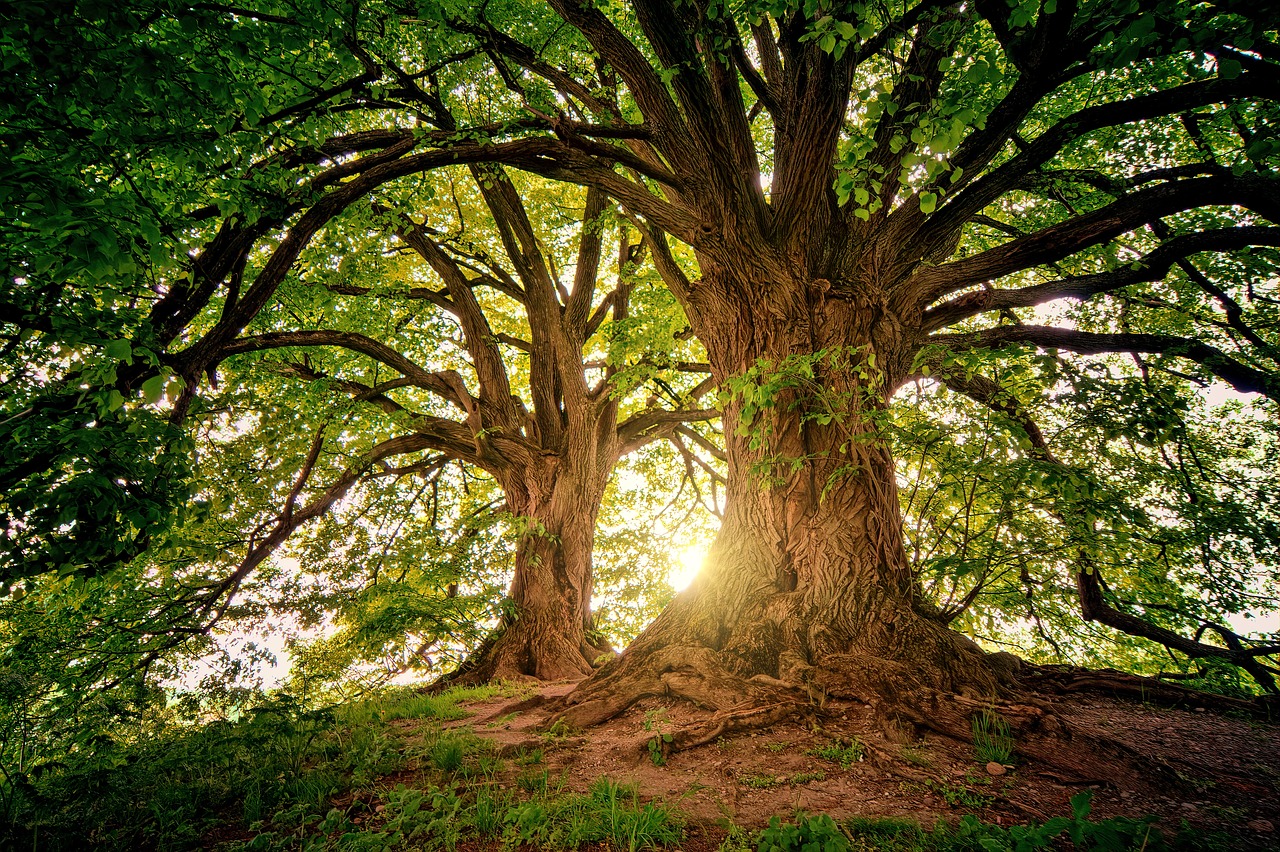
Forests are a vital part of our planet's ecosystem, providing habitat for millions of species, regulating the water cycle, and absorbing carbon dioxide from the atmosphere. However, forests are threatened by deforestation, which involves the clearing and destruction of forests for commercial or agricultural use. Deforestation is a major environmental issue that contributes to climate change, loss of biodiversity, and soil erosion.
Trees
Trees in forests absorb carbon dioxide from the atmosphere and store it in their trunks, branches, and leaves, helping to reduce greenhouse gas emissions and prevent global warming.
Flooding and droughts
Forests play a critical role in regulating the water cycle by absorbing and storing water from rainfall and releasing it slowly over time, helping to prevent flooding and droughts.
Forests fact
Forests cover more than 30% of the Earth's land area.
Fuelwood
Forests are also a major source of livelihood for millions of people around the world, providing timber, fuelwood, and other forest products